



Meeting your cat's daily needs means considering a range of products together, from food and litter arrangements to play habits and resting spaces. When choosing cat products, look beyond their appearance or features and consider your cat's age, behaviour and living environment. In particular, food, litter, toys, scratching products and grooming supplies should suit your cat's habits and make everyday care easier.
Food and Feeding Products
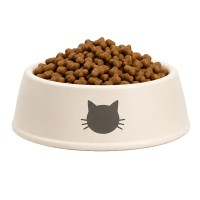
Your cat's nutritional needs change throughout their life. The balance of nutrients a kitten needs while growing differs from that of an adult or senior cat. When choosing cat food, consider age, neutering status, body condition and daily activity together.
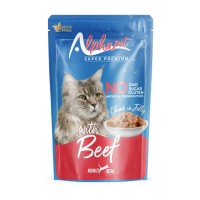
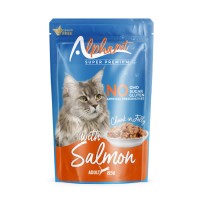
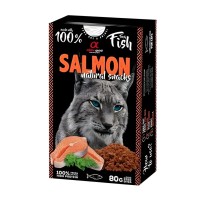
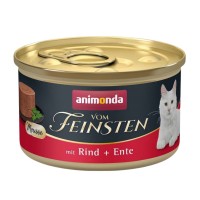
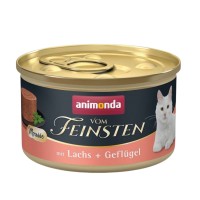
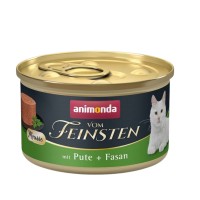
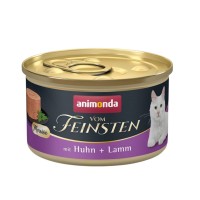
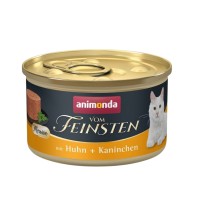
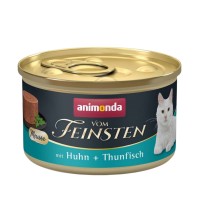
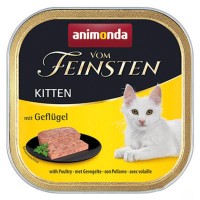
Alongside dry food, canned cat food can also form part of your cat's diet. Wet food has a higher moisture content, but any product intended as the main daily diet should be labelled as complete food suitable for your cat's life stage. Treats can be used during training and play or to reinforce positive behaviour. Complementary treats should not replace a balanced main meal.
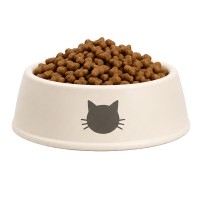
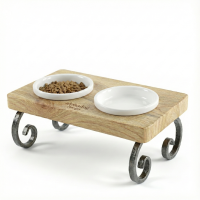
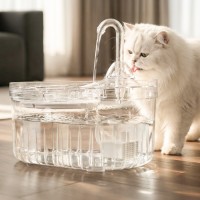
The material, size and ease of cleaning of feeding bowls also matter. When comparing stainless steel, ceramic and plastic options, look for a bowl that is easy to wash, stays in place and is comfortable for your cat to use. For automatic and gravity feeders, consider portion control, cleaning and how the device works.
Choosing Cat Litter and a Litter Box
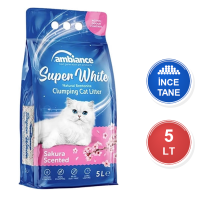
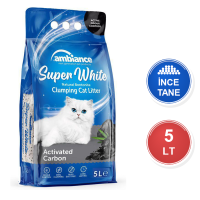
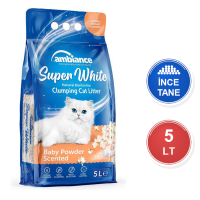
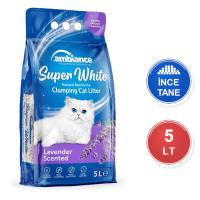
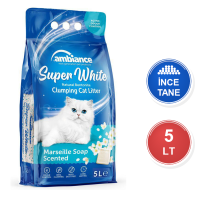
The design and placement of the litter box are just as important as the litter itself. Cat litter comes in different materials, including bentonite, plant-based materials and silica crystals. These options differ in clumping, liquid absorption, dust production and cleaning requirements.
Keep your cat's habits in mind when choosing litter. Some cats prefer fine granules, while others adapt more readily to different textures. With scented products, also consider whether the fragrance bothers your cat.
Cat litter boxes include open, covered and automatic models. Open models can be convenient for access and cleaning, while covered models provide a more enclosed space. With automatic models, pay particular attention to your cat's safety, the available space and the cleaning mechanism. Whichever type you choose, it should be spacious enough for your cat to turn around comfortably, easy to reach and cleaned regularly.
Play, Scratching and Resting Spaces
Cats do not all play in the same way. Some enjoy chasing moving objects, while others prefer opportunities to hide, explore or play independently. Cat toys include options for different activities, such as wand toys, balls, play tunnels, plush toys and puzzle toys.
When choosing toys, consider the type of movement that interests your cat as well as the durability of the material and the safety of small parts. String and wand toys should be used under supervision, and broken or worn parts should be replaced.
Scratching is natural behaviour for cats. When choosing a suitable cat scratching product, observe whether your cat prefers vertical or horizontal surfaces. The product should be stable enough not to tip over during use and allow your cat to stretch and scratch comfortably.
For resting spaces, consider the bed's size, texture, ease of cleaning and intended location. Enclosed beds offer a more sheltered place to rest, while open beds may suit cats that like to watch their surroundings as they relax.
Cleaning and Grooming Products
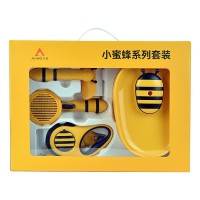
Your cat's coat length and texture help determine which grooming supplies to use. Short-haired and long-haired cats may have different grooming needs. When choosing cat brushes and combs, consider the design of the comb's teeth, how the brush feels against the skin and your cat's response to grooming.
Nail clippers, eye and ear care products, shampoos and hair-removal tools serve different care needs. Products that come into contact with the skin in particular should be suitable for cats and used according to their instructions. Grooming products designed for humans should not automatically be considered safe for cats.
Vitamins and nutritional supplements should be considered separately from routine grooming products. Not every cat eating a balanced diet needs additional supplements. Their use should be based on your cat's actual needs and, where necessary, a veterinarian's assessment.
Carriers, Collars and Home Safety
When choosing a carrier for vet visits or travel, assess safety and fit before appearance. The carrier should have adequate ventilation, close securely and allow your cat to stay comfortably inside and change position. The choice between shoulder carriers, backpack carriers and wheeled carriers can depend on the journey.
For collars, harnesses and walking accessories, focus on a proper fit, a design that helps prevent escape and safe use. With protective products for windows and balconies, correct installation is just as important as material durability. No net or accessory alone means that the risk of falling has been completely eliminated.
When choosing products for your cat, start with basic feeding and litter needs, then consider play, rest, grooming and safety habits. A product's suitability depends not only on its specifications but also on how comfortably and safely your cat can use it. Choices that fit your daily life and your cat's behaviour can help you avoid unnecessary products and focus on the supplies you actually need.

PETKATALOG EVCIL HAYVAN ÜRÜNLERI VE ELEKTRONIK MARKET SANAYI TICARET LIMITED SIRKETI
